"These things are just stochastic parrots"
Maybe it was the loading screen taking almost a full minute.
Maybe it was Fusion refusing to quit or close a design because a job was still running. Or designs drifting out of sync: an hour of changes, a forced reboot, then the app and the web browser disagreeing about which version was latest. I was never fully confident I was starting from the right place.
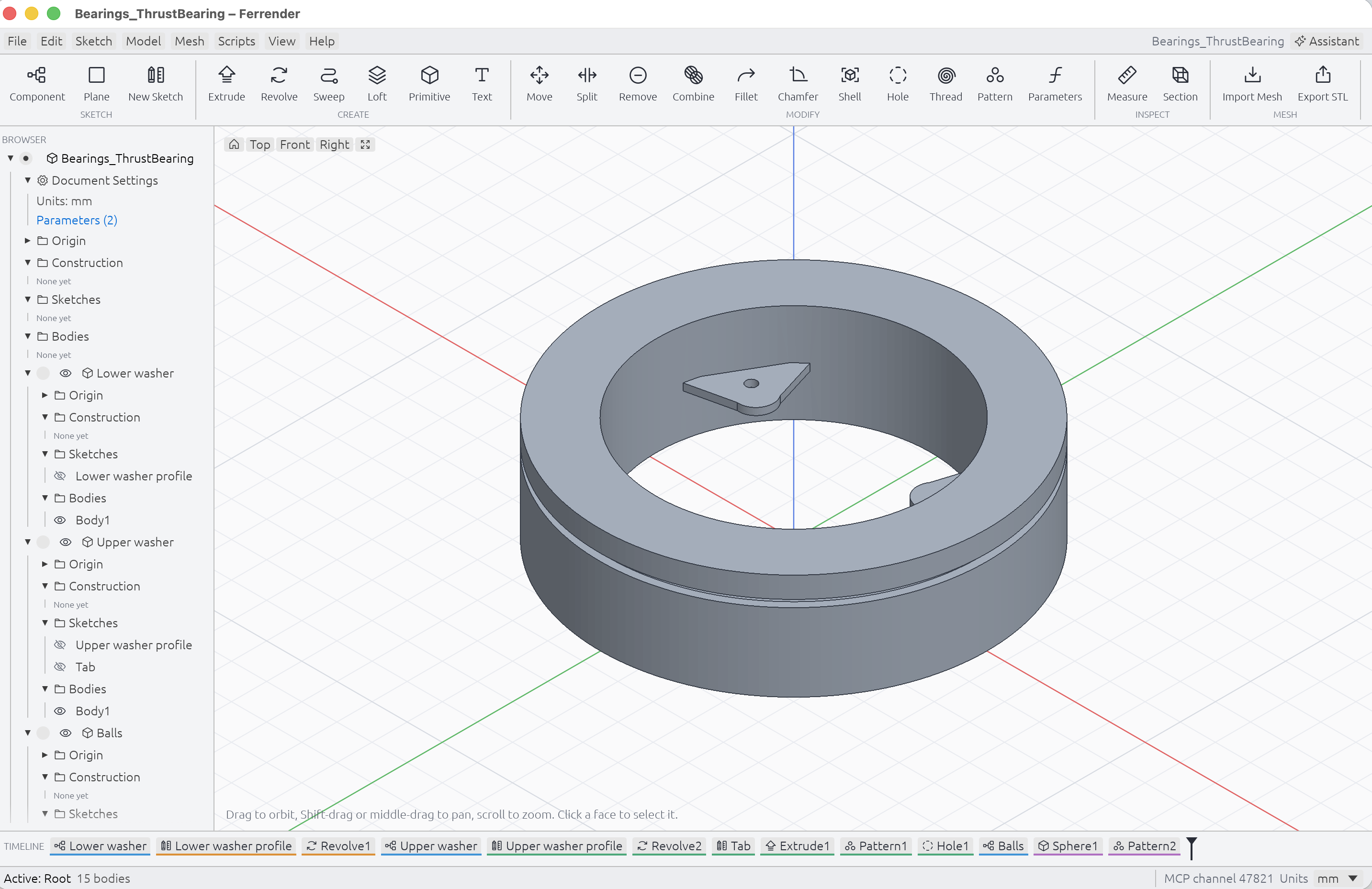
Maybe it was the recent hype around storytold vibe coding all of the Creative Suite. Whatever it was, I decided to vibe code my own AI-driven 3D modeling software — in Rust, so it runs on Mac and Linux. The goals: AI-native from the start, plus my favorite features from Fusion.
The first mind-blown moment came after integrating cadrum and hooking up MCP. I asked Claude for a plate with screws, and watched it build one.
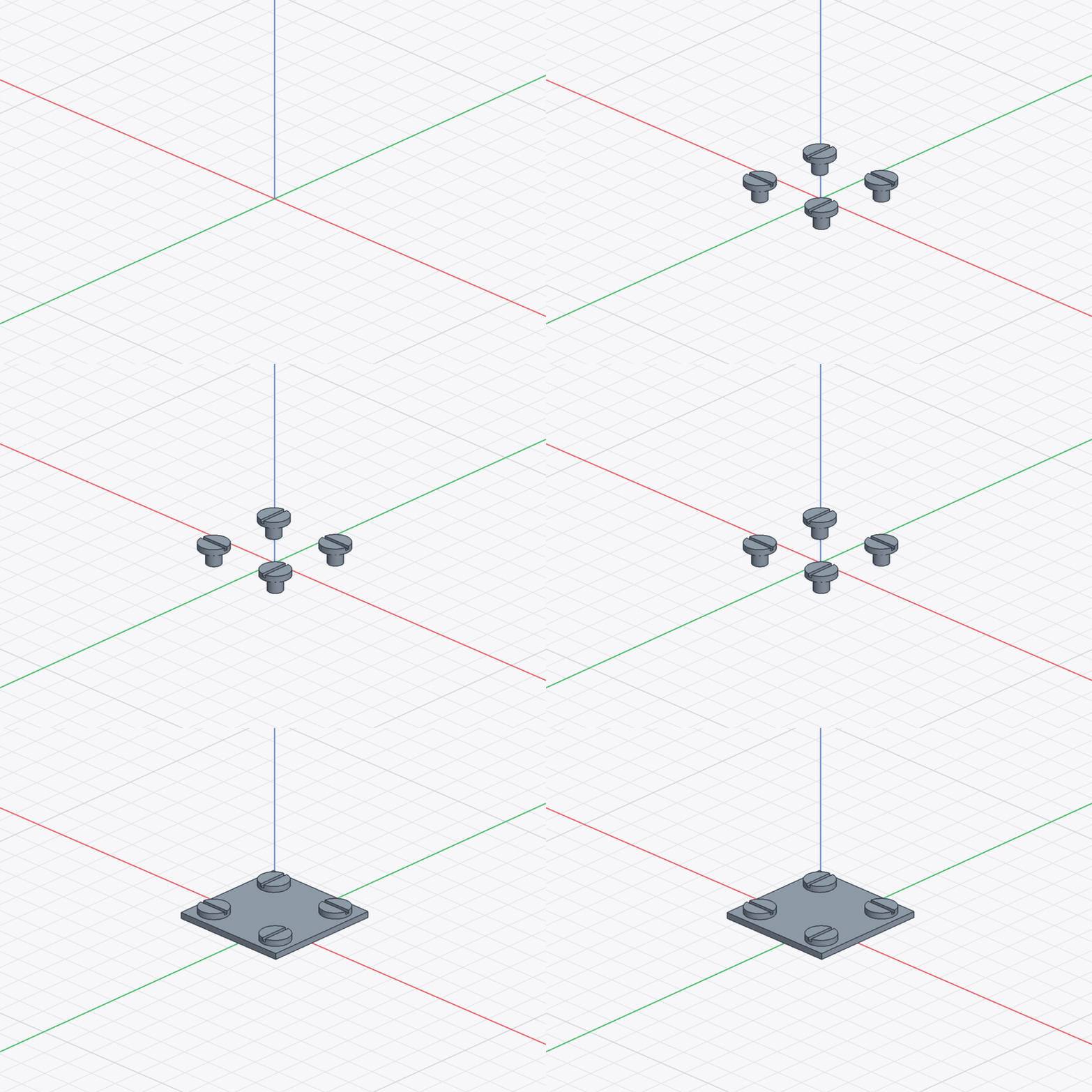
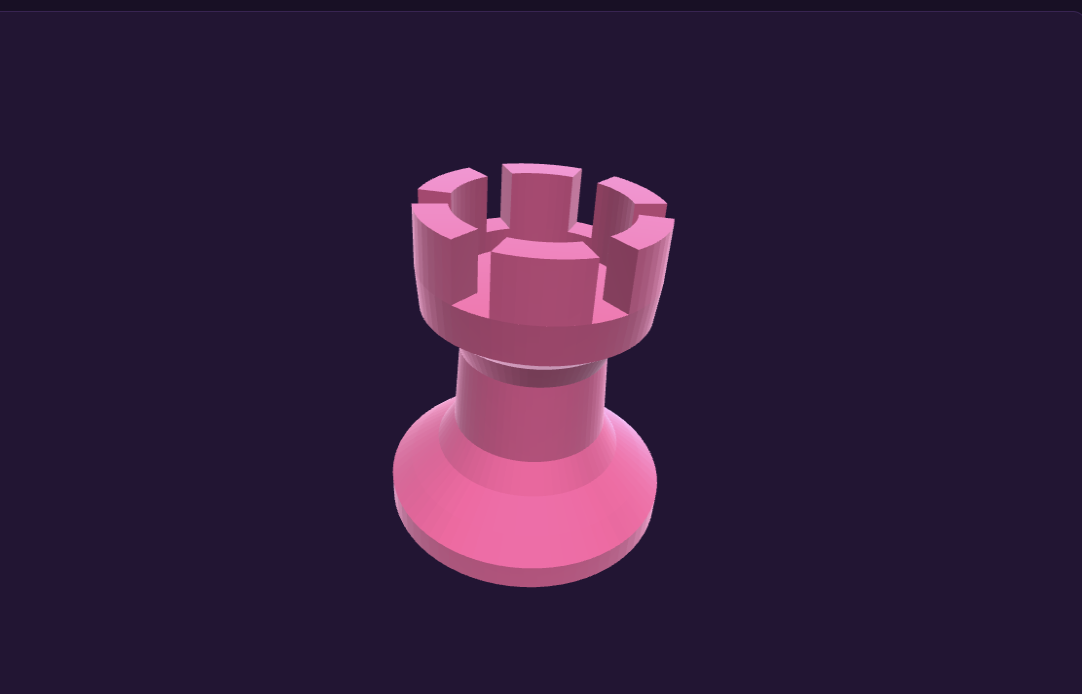
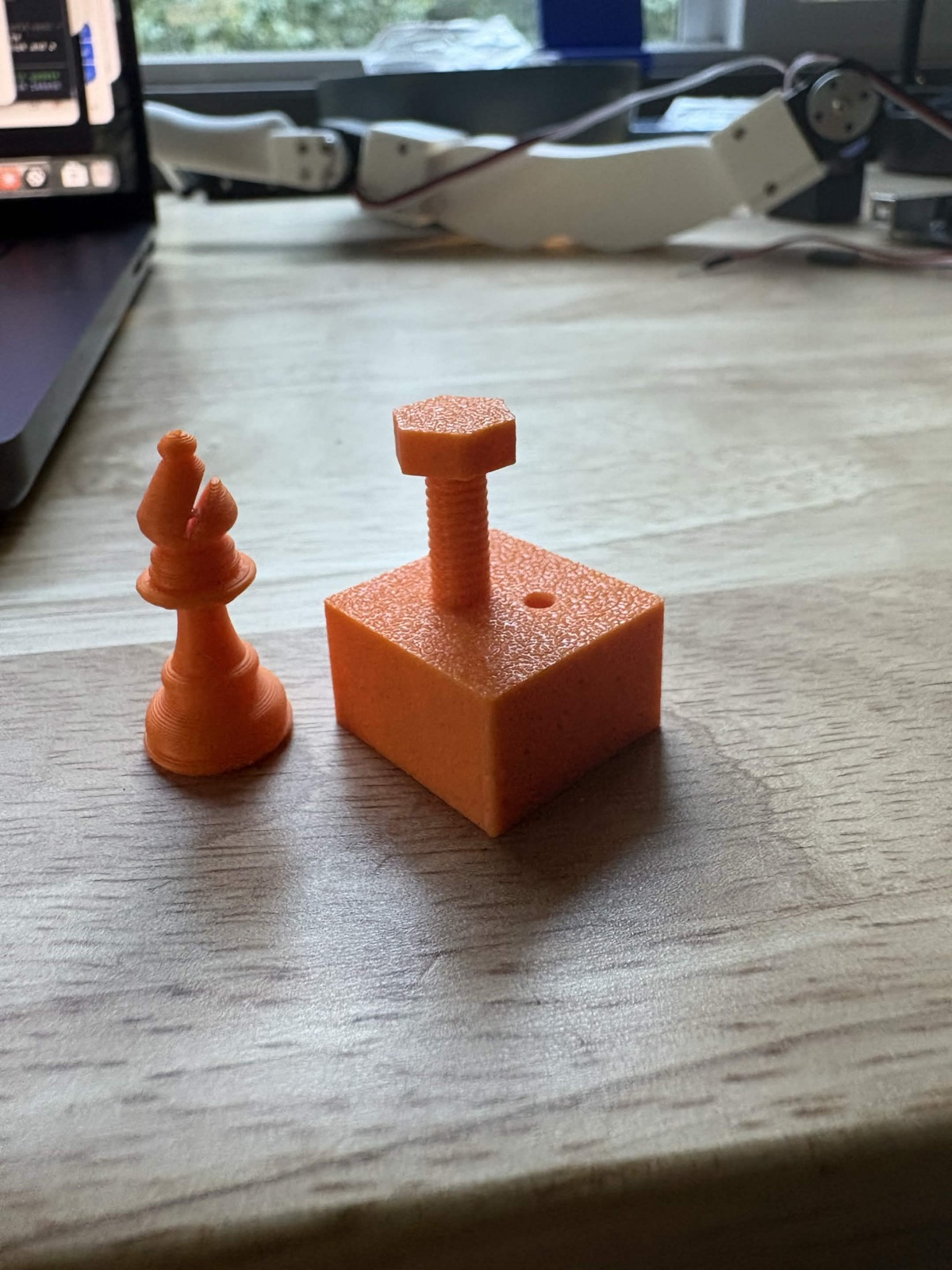
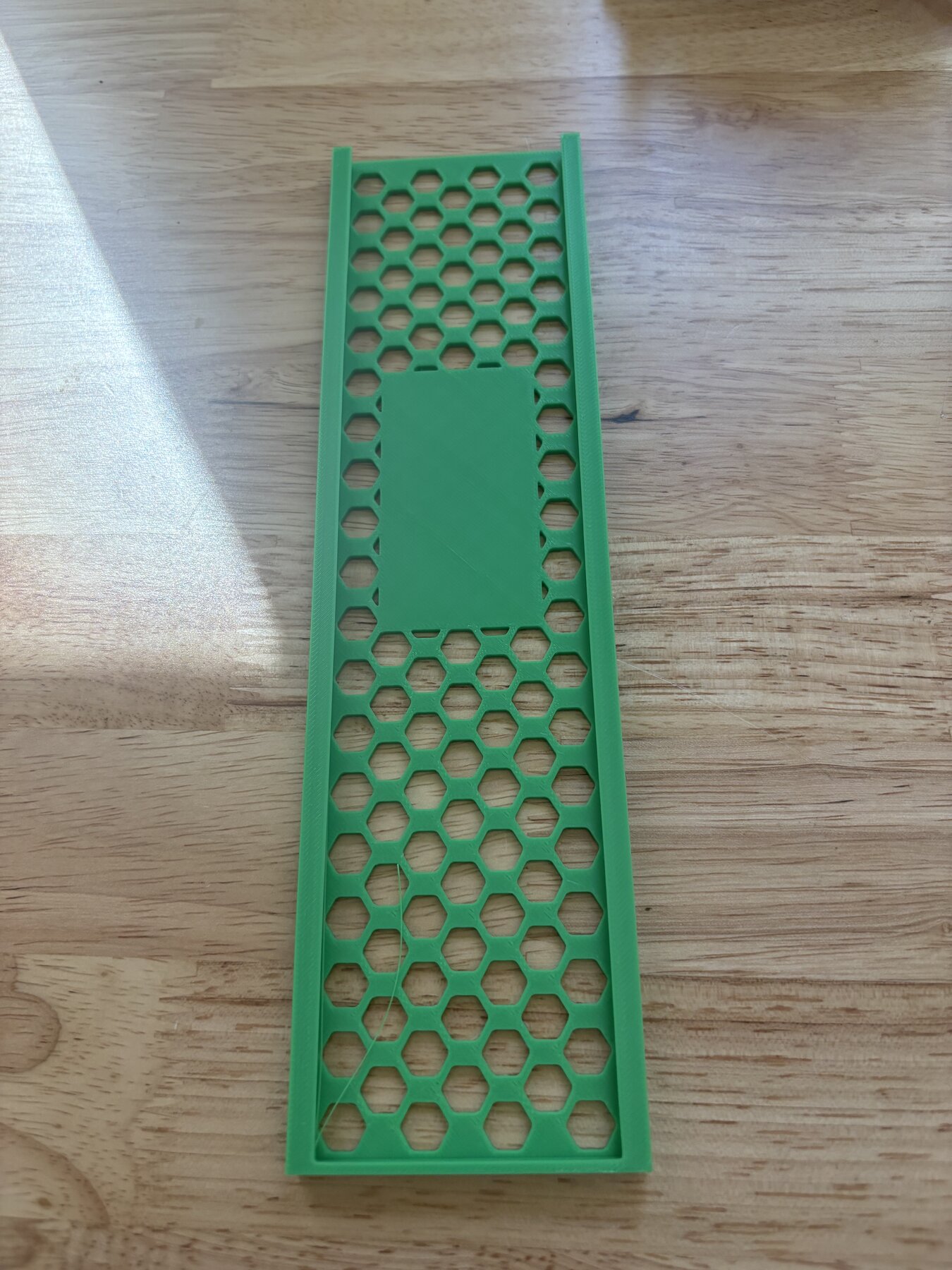
That gave me ideas for what else to throw at it. I started simple: extrude a sketch, make sure revolve works. Next, a plate with holes and M3 and M6 screws to go in them. Then something harder: I handed Claude an image of a chess bishop and had it drive Ferrender to model one. Both went to the 3D printer. A rook followed.
It harkens back to Jean-Luc saying "Tea, Earl Grey, hot" and the replicator pulling it out of the ether.
Handing ChatGPT and Claude the controls has another payoff: they find bugs before I do. When I hit one myself, I save the design and have them replay the steps. It's a quick way to run a panel of e2e tests, almost like having a human click through it.
Not bad for a stochastic parrot. Take it for a spin, or build your own: github.com/base698/ferrender
One more thing
I couldn't leave the replicator untested. The entire design brief: "Teacup. Earl Grey. Hot." Claude drove Ferrender through two revolves, a handle, and a few fillets, and out came this.
The gallery
Four more, all native Ferrender designs you can open, edit and re-parameterize. Three were rebuilt from my old Fusion files by measuring the STLs (an .f3d is a sealed box), and the toothbrush holder was designed from scratch to slide into a wall plate I'd already printed. Page through, drag to orbit, and grab the .ferr.